MDF
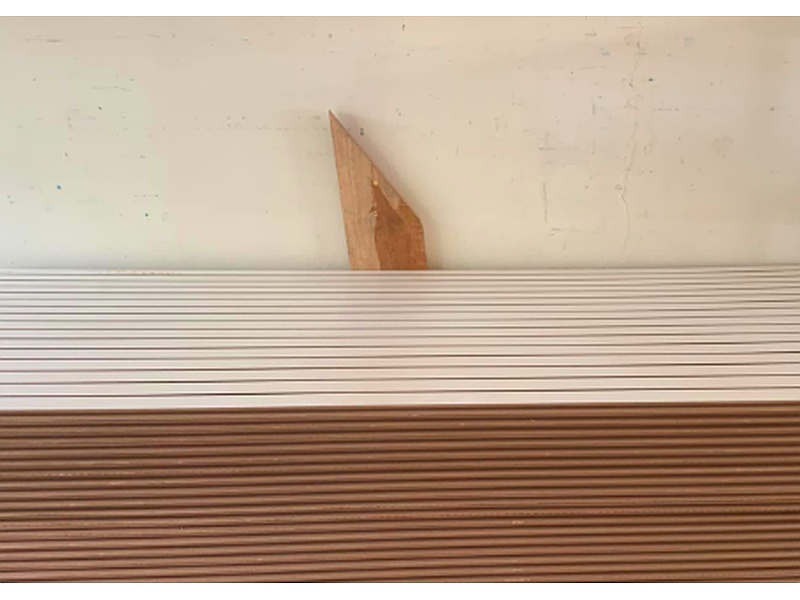
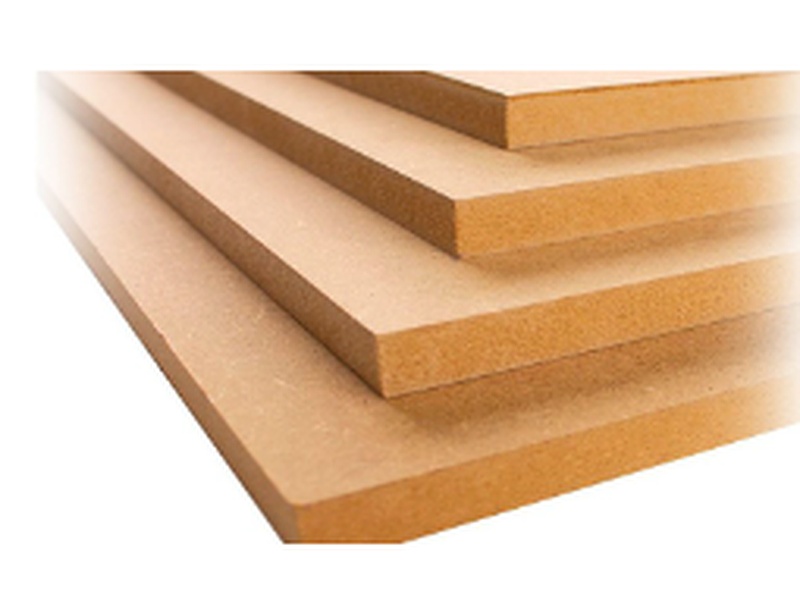
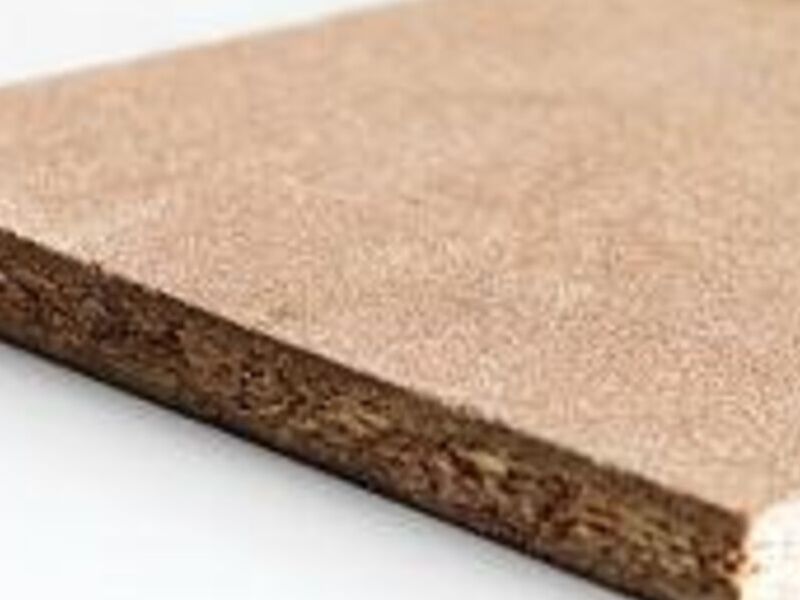
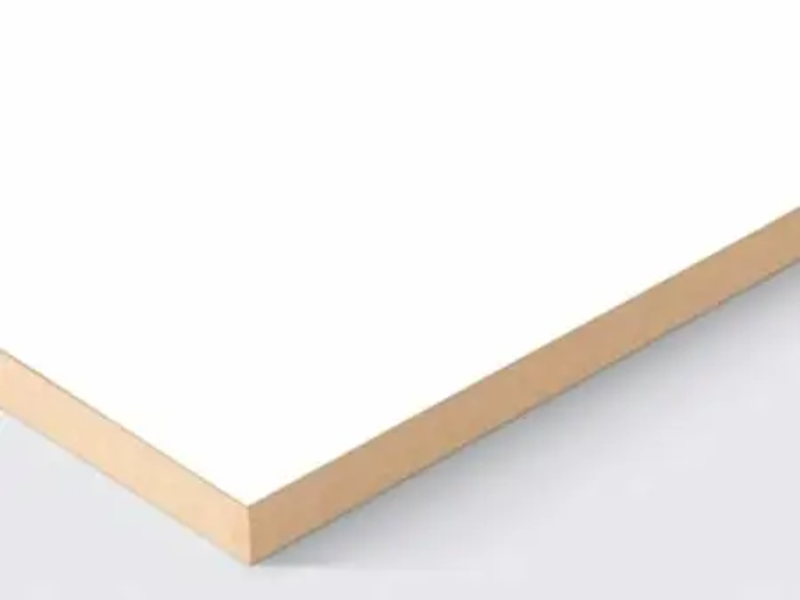
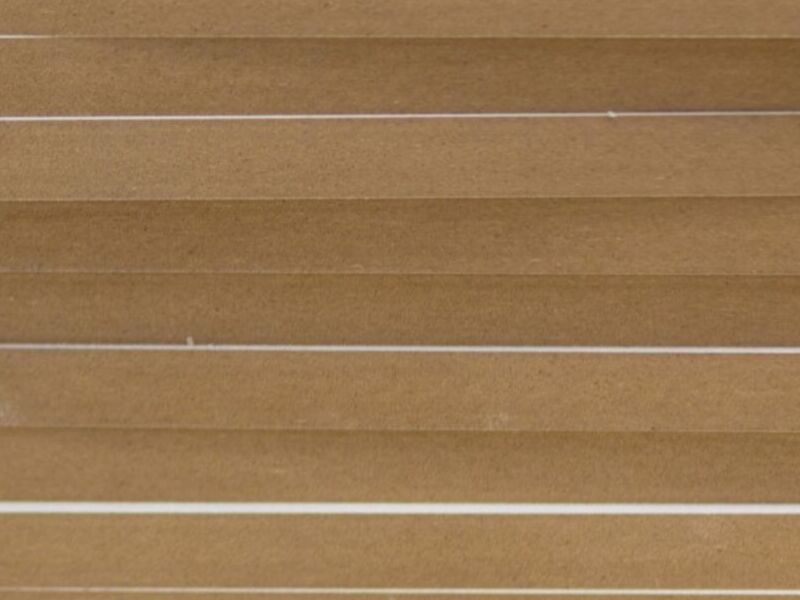
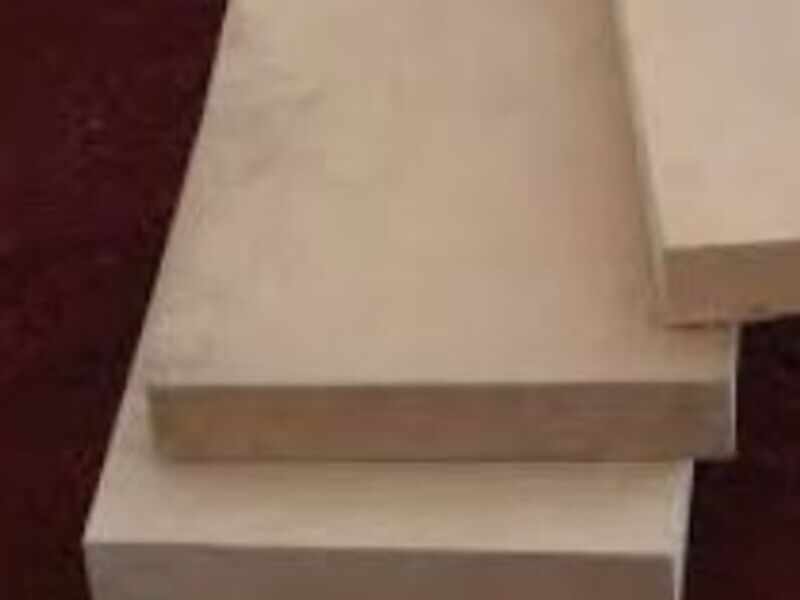
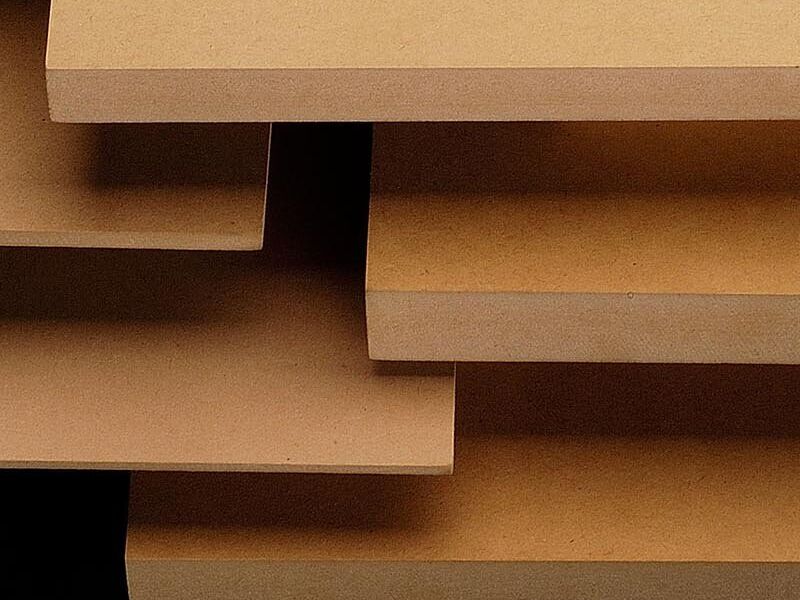
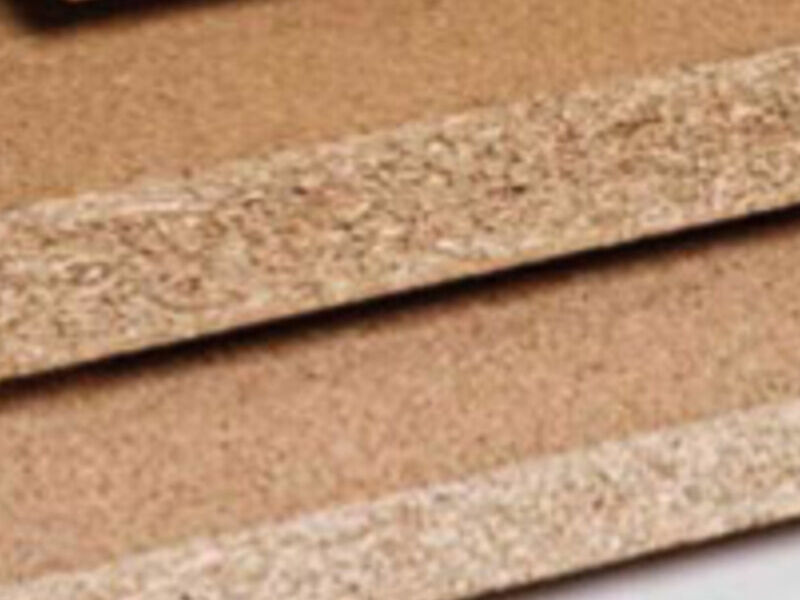
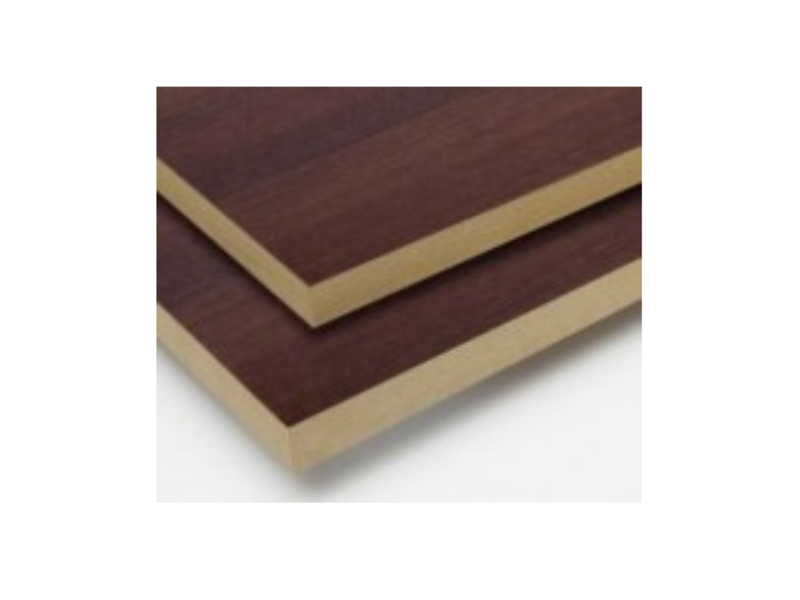
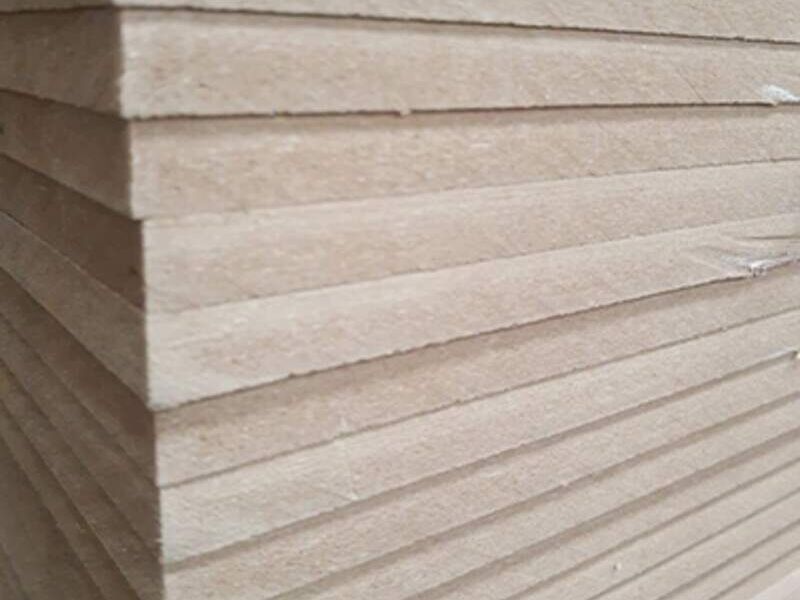
Medium-density fibreboard (MDF) is an engineered wood product formed by breaking down wood residuals into lignocellulosic fibres, blending them with synthetic resins and wax, and compressing the mixture under heat and pressure to create dense panels typically ranging from 496 to 801 kg/m³ in density.[1] This dry-process manufacturing yields a homogeneous, nonstructural material denser than particleboard but less so than hardboard, prized for its uniformity and machinability.[2]
Developed as an efficient use of wood byproducts, MDF production scaled commercially in the 1980s, leveraging fibre separation techniques to produce smooth-surfaced panels suitable for applications where aesthetic consistency outweighs structural demands.[3] Global output has expanded steadily, with the market valued at approximately $44 billion in 2024 and projected to reach $70-82 billion by the early 2030s, driven by demand in furniture, cabinetry, and interior millwork.[4][5]